What does Functional Fitness Mean?
What Is Functional Fitness?
You’ve probably heard the term functional fitness before. Maybe you’ve seen it on a gym website, heard someone use it to describe their workout, or watched a video of people lifting weights, carrying kettlebells, or pushing a sled, but what does “functional” actually mean? The simplest answer is this:
Functional fitness is training your body to be better at the things you do in everyday life.
That could mean picking something heavy up off the ground, carrying groceries into the house, getting up from a chair, climbing stairs, putting a suitcase in an overhead compartment, playing with your kids, or simply moving through your day without feeling tired, weak, or limited.
Functional fitness takes movements your body was designed to do and trains them so you can become stronger, fitter, and more capable.
What Makes an Exercise “Functional”?
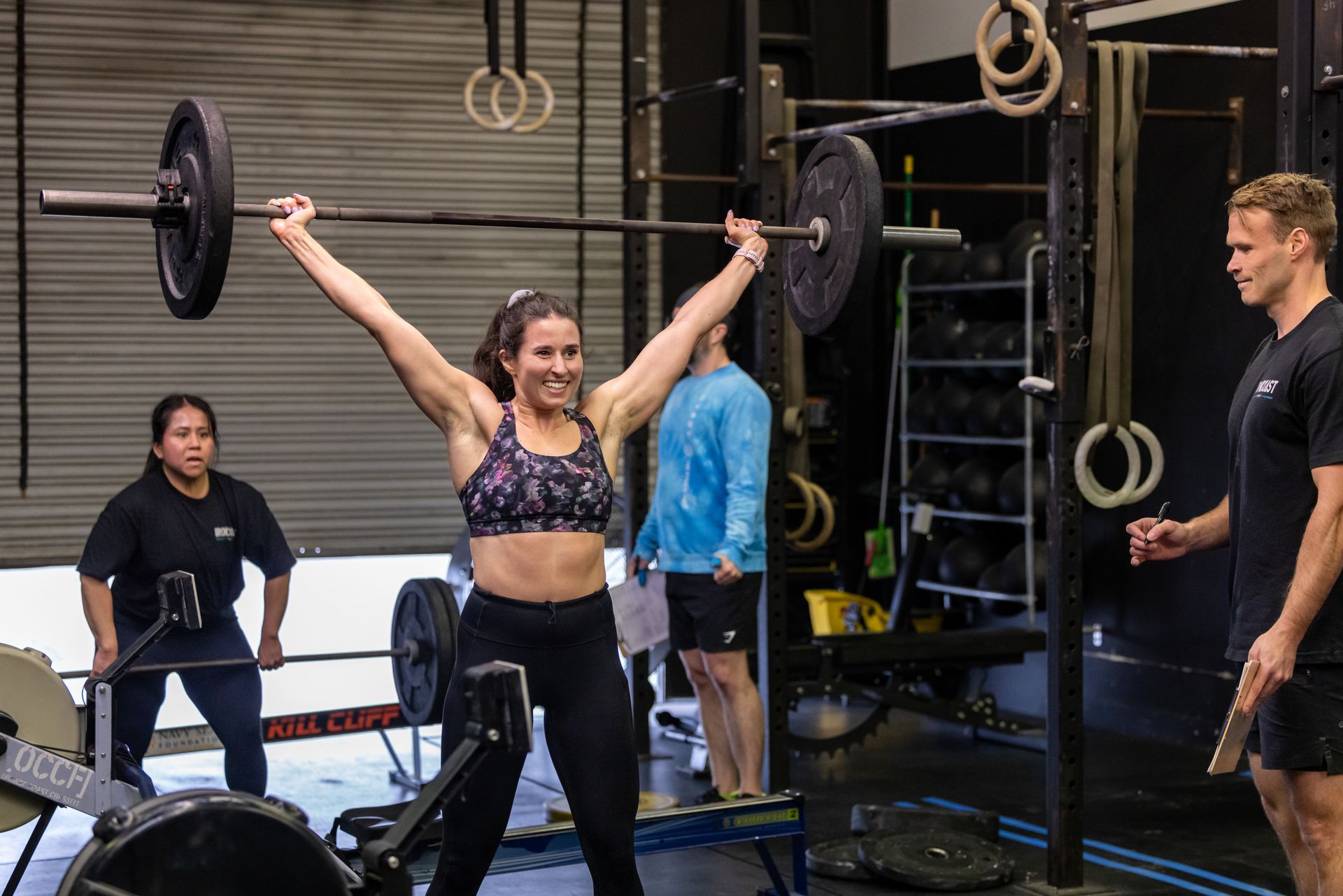
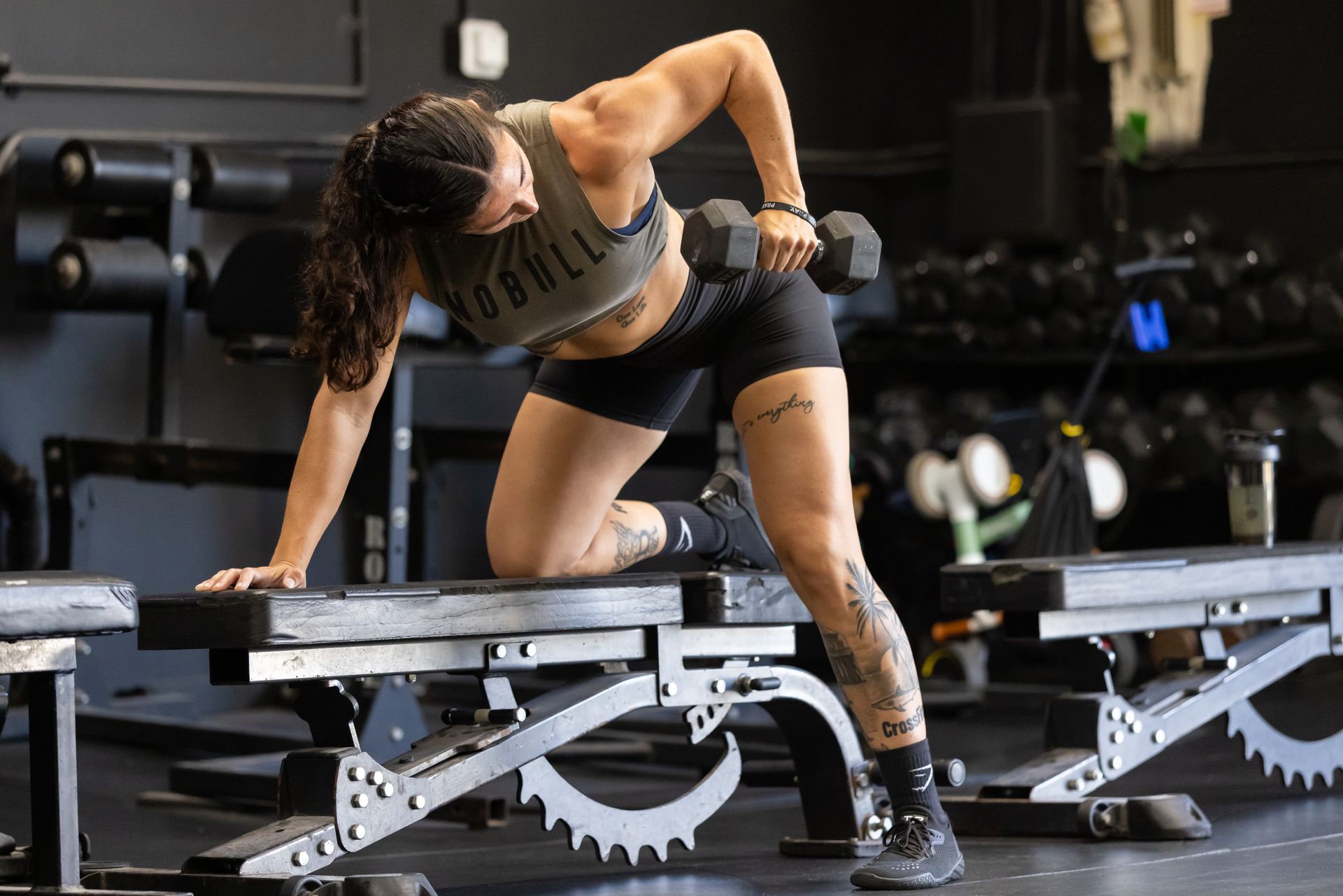
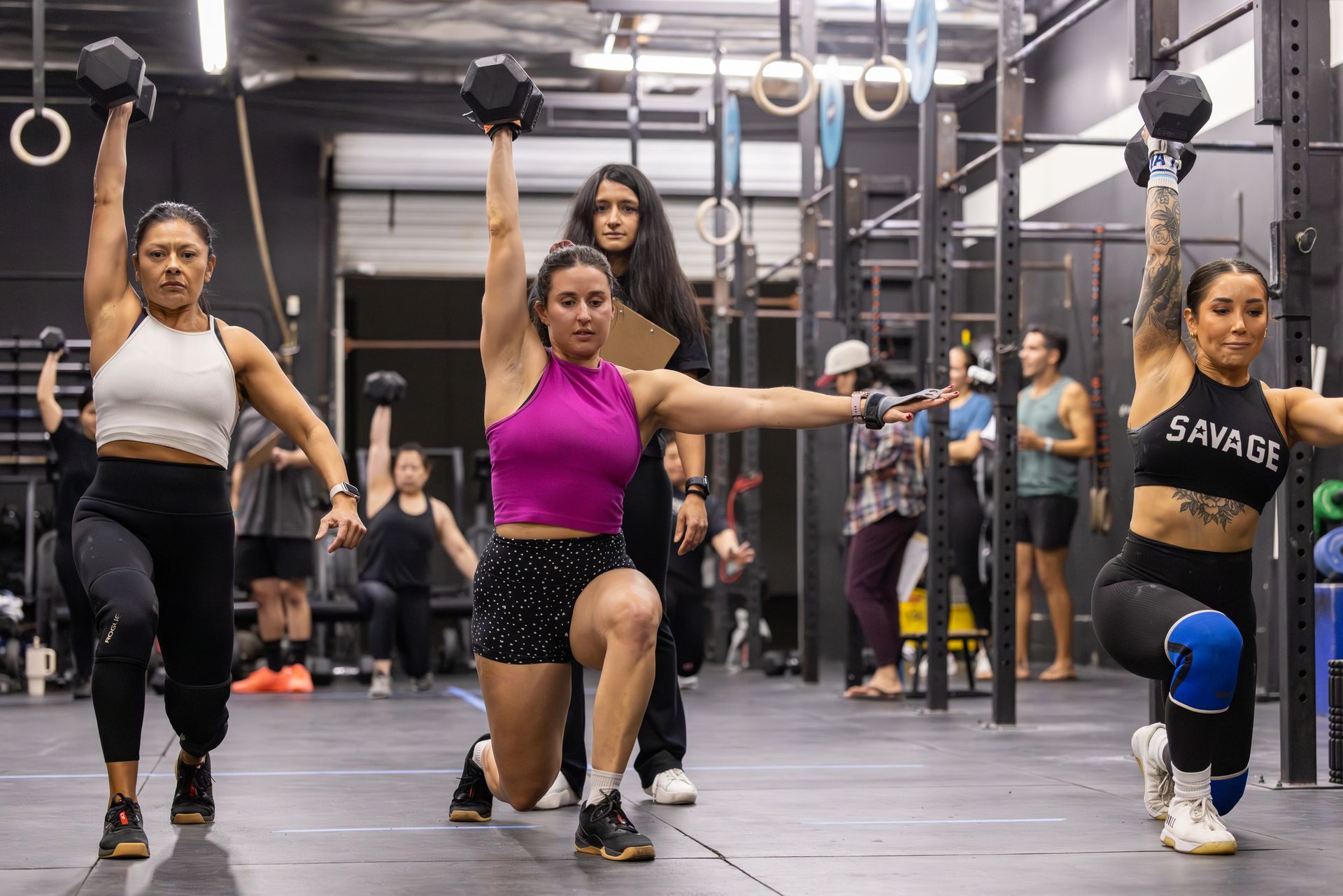
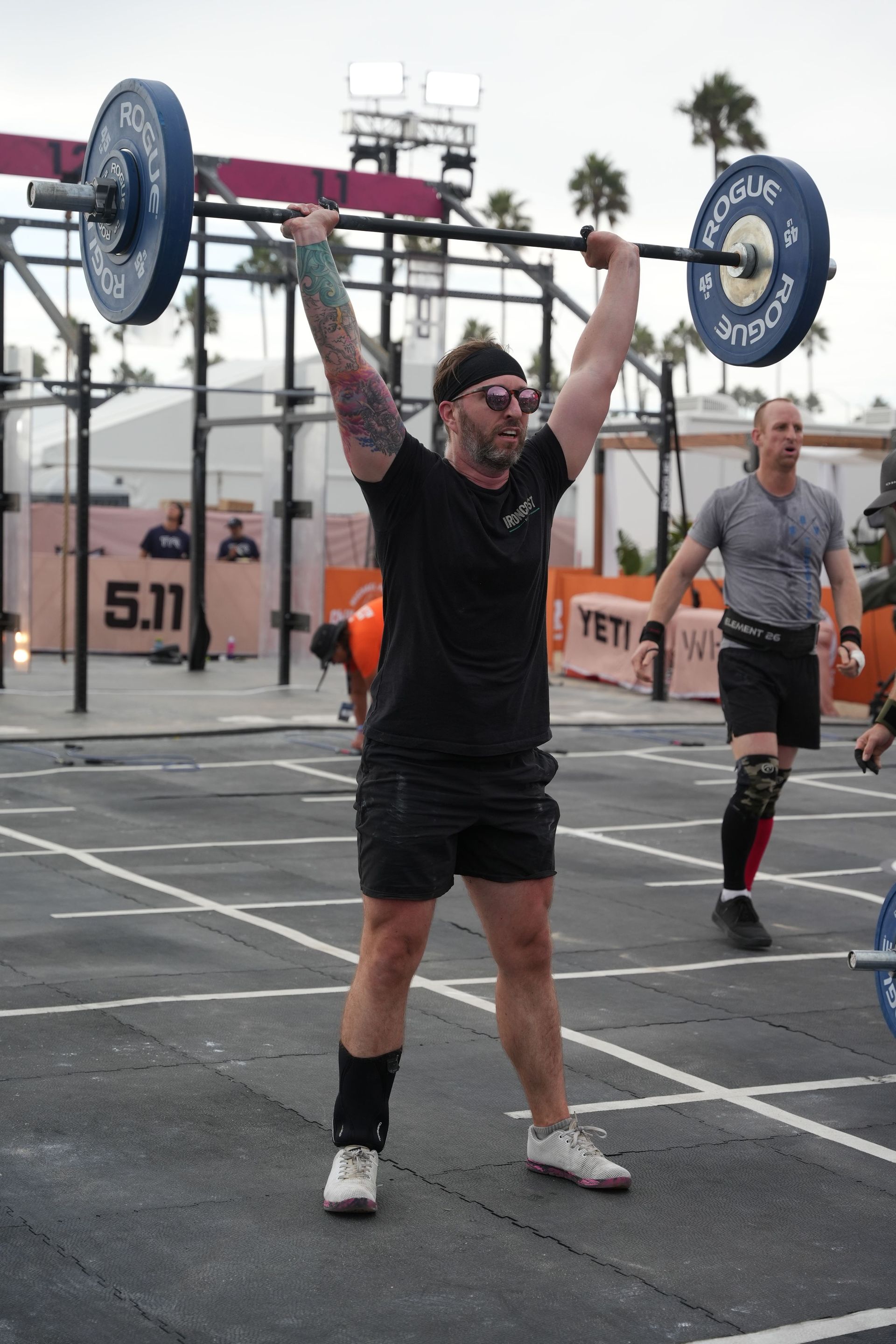
Think about the movements you perform throughout a normal day. You sit down and stand back up, bend over to pick things up, carry bags, reach overhead, walk, climb stairs, push things, pull things, and occasionally have to move something heavier than expected. Functional fitness trains these same basic movement patterns. A squat, for example, isn't just an exercise you do at the gym. Every time you sit down and stand back up, you're performing a version of a squat. A deadlift teaches you how to safely pick something up from the ground. Farmer carries build the strength you use when carrying groceries, luggage, or your kids. Step-ups and lunges strengthen your legs for walking, hiking, and climbing stairs. Pressing weight overhead builds strength for putting something onto a high shelf. The goal isn't simply to become good at exercising. The goal is to use exercise to become better at daily life.
Functional Fitness Is More Than Just Strength Training
Strength is a big part of functional fitness, but it's only one piece. A well-rounded functional fitness program should help develop:
- Strength
- Cardiovascular endurance
- Stamina
- Balance
- Coordination
- Mobility
- Speed
- Power
Instead of only training one muscle or one type of exercise, you're building a body that can handle a wide variety of physical challenges. One day that might mean lifting weights. Another day might include rowing, biking, running, using kettlebells, doing bodyweight movements, or a combination of several things. That variety is intentional. Life doesn't ask you to only be strong or only have good cardio. It helps to have a little bit of everything.
Do You Have to Be Fit Before Starting Functional Fitness?
NO! This is probably one of the biggest misconceptions about functional fitness, and one of the questions we get asked the most. People sometimes see someone lifting a heavy barbell or doing a difficult gymnastics movement and think: "I need to get in shape before I can do that," but functional fitness should meet you where you are right now. If you can't do a pull-up, there are easier pulling exercises that can help you build toward one. If running bothers you, you can bike or row. If you've never touched a barbell, you can start with a PVC pipe, dumbbell, kettlebell, or another appropriate weight while learning the movement. A 25-year-old former athlete and a 55-year-old who hasn't exercised in ten years might do different versions of the exact same workout. They're both still training, improving, and both are still getting the intended benefit of the workout.
What Does a Functional Fitness Workout Actually Look Like?
There's no single format. A workout might include squats and rowing, another could combine dumbbells with running and another might focus primarily on strength. For example, a simple workout could look something like:
10 squats
10 dumbbell presses
10 calories on a bike
Repeat for several rounds.
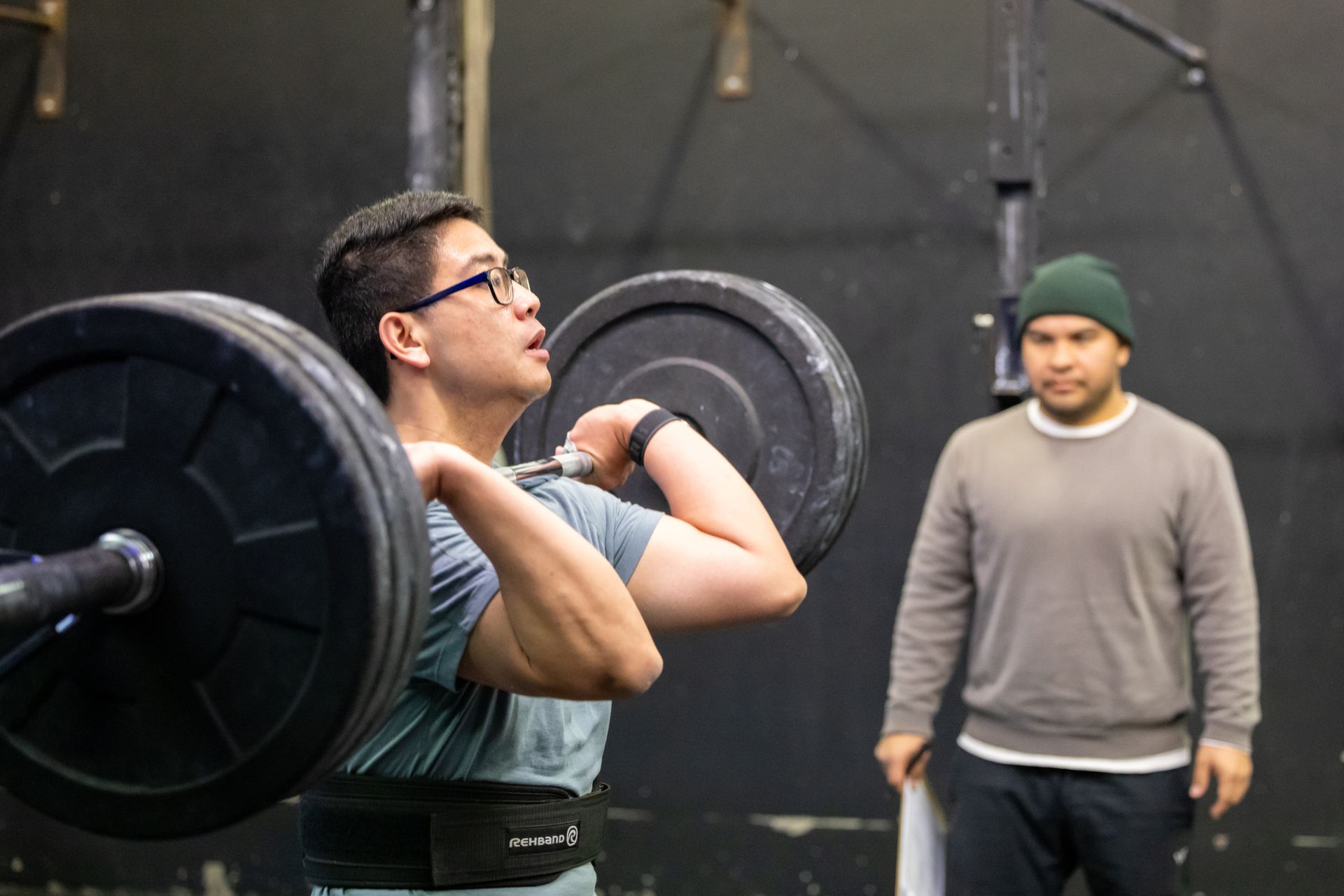
The movements themselves aren't necessarily complicated. What makes the workout effective is how they're programmed, coached, and adjusted for each person. Which is why good coaching matters. A good coach will help you learn proper technique, choose appropriate weights and movements, and gradually progress as you become stronger and more confident.
Functional Fitness vs. a Traditional Gym
There isn't anything wrong with a traditional gym. Machines, treadmills, dumbbells, and bodybuilding-style exercises can all be useful. The biggest difference is usually the purpose behind the training. Traditional gym workouts often isolate specific muscles. You might have a chest day, back day, or leg day. Functional fitness tends to focus more on movements and the body working together. Instead of only training your quads on a machine, you might squat. Instead of only training your shoulders, you might press something overhead. Instead of sitting on several different machines for an hour, you might lift, carry, push, pull, bike, row, or run in a shorter time domain. You're still building muscle and strength. You're just doing it in a way that also develops your overall physical capacity.
Who Is Functional Fitness For?
Almost everyone. You don't have to be an athlete or even want to compete. You definitely don't need to already be in great shape. Functional fitness can be for someone who wants to:
Feel stronger.
Lose body fat and build muscle.
Have more energy.
Keep up with their kids.
Stay active as they get older.
Improve their health.
Get back into a fitness routine.
Or simply make everyday activities feel easier.
The specific goal might be different for everyone, but the idea is the same: Build a stronger, healthier, more capable version of yourself.
What Does Functional Fitness Look Like at Iron Coast?
At Iron Coast Fitness in Costa Mesa, functional fitness is at the center of how we train. Our workouts combine strength training, conditioning, bodyweight movements, dumbbells, kettlebells, barbells, rowing, biking, running, and other movements designed to improve your overall fitness. The most important part isn't the equipment. It's the coaching.
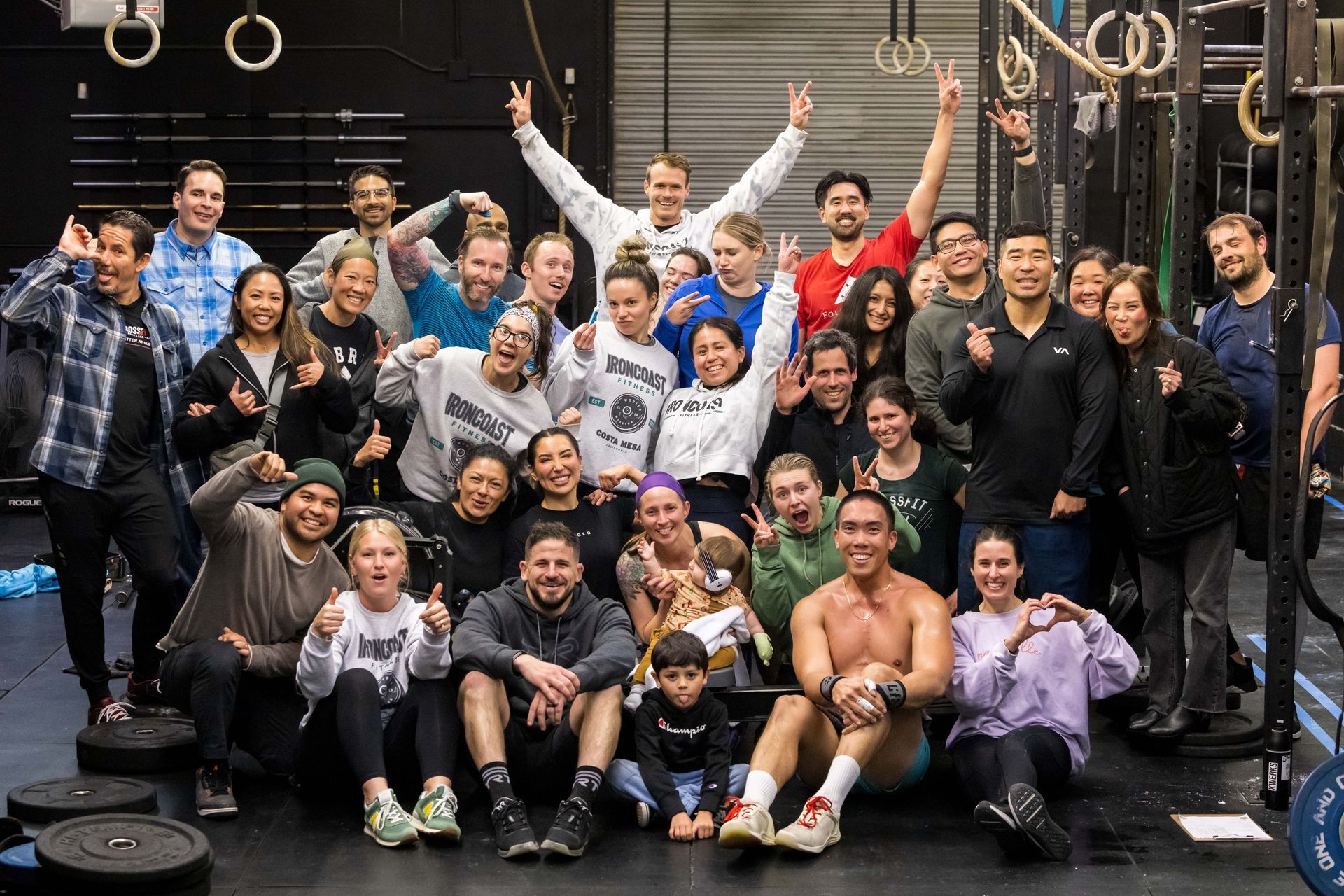
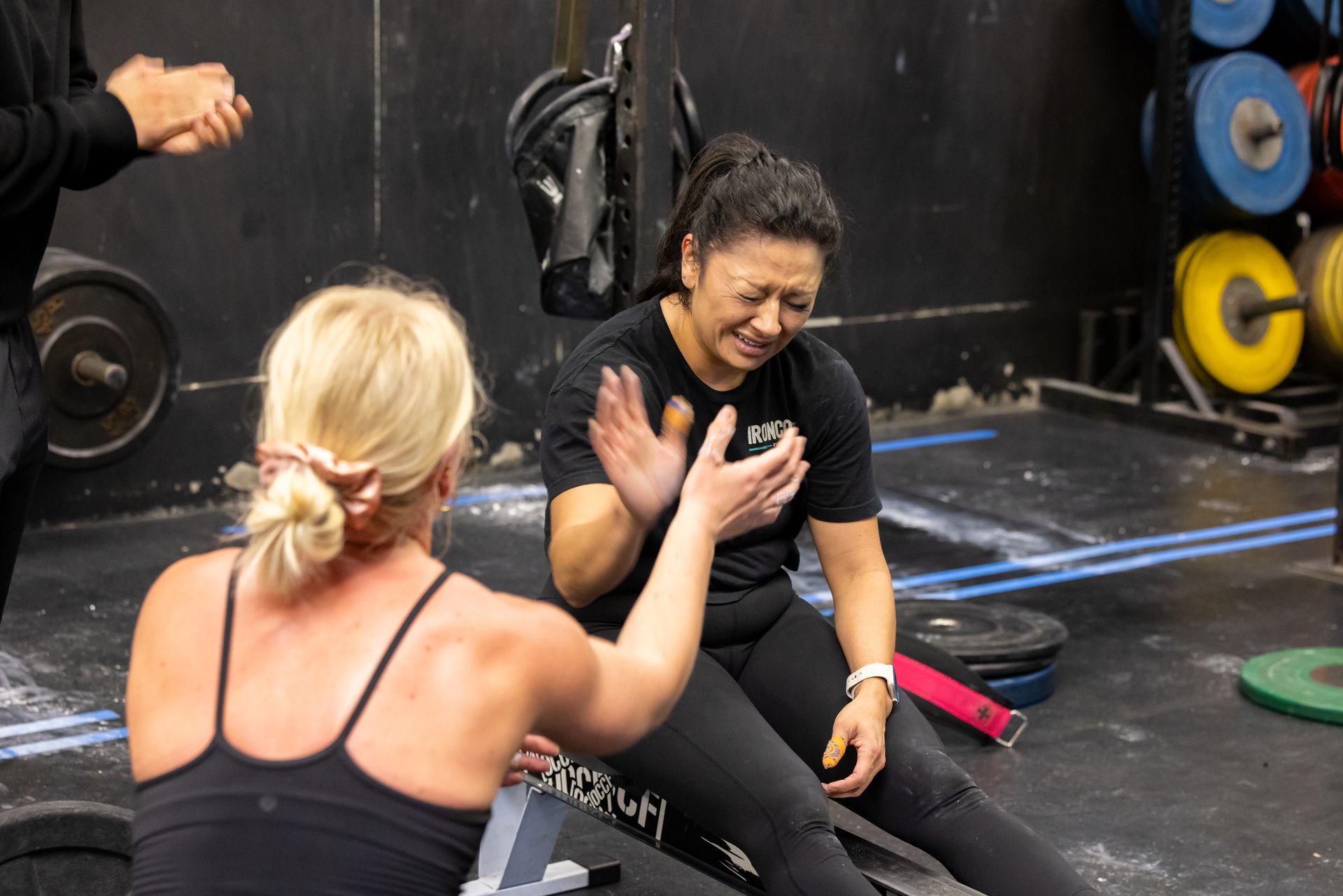
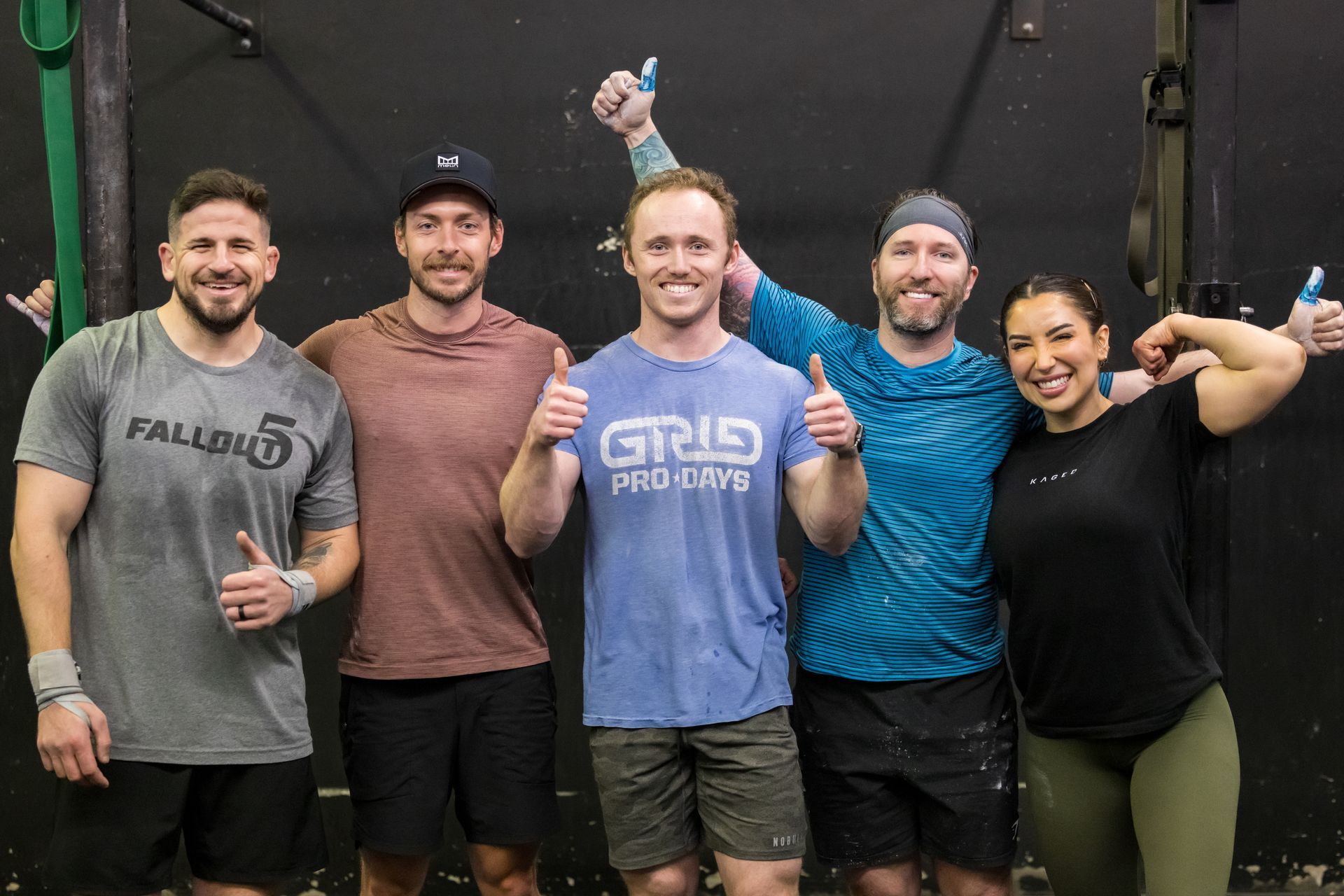
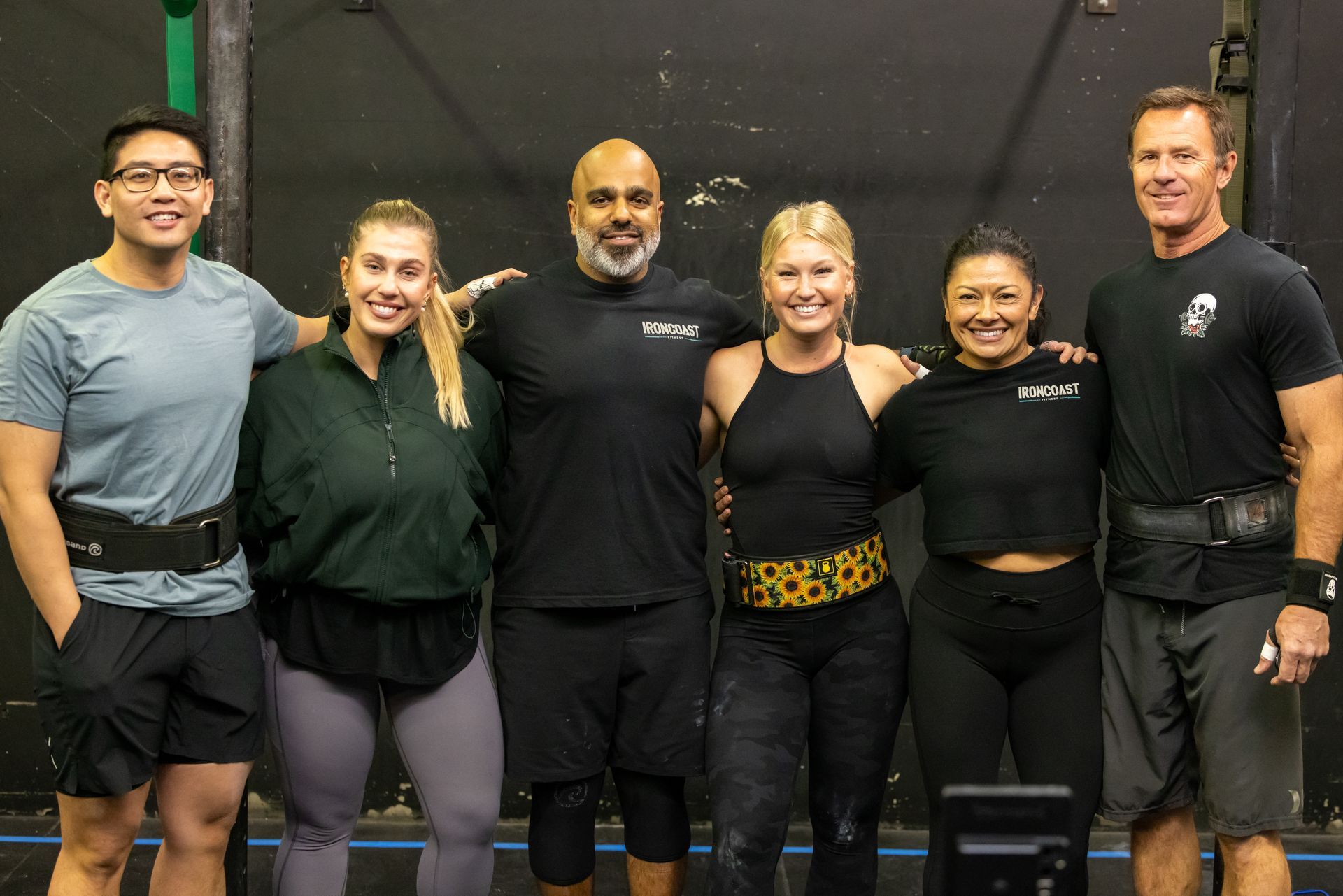
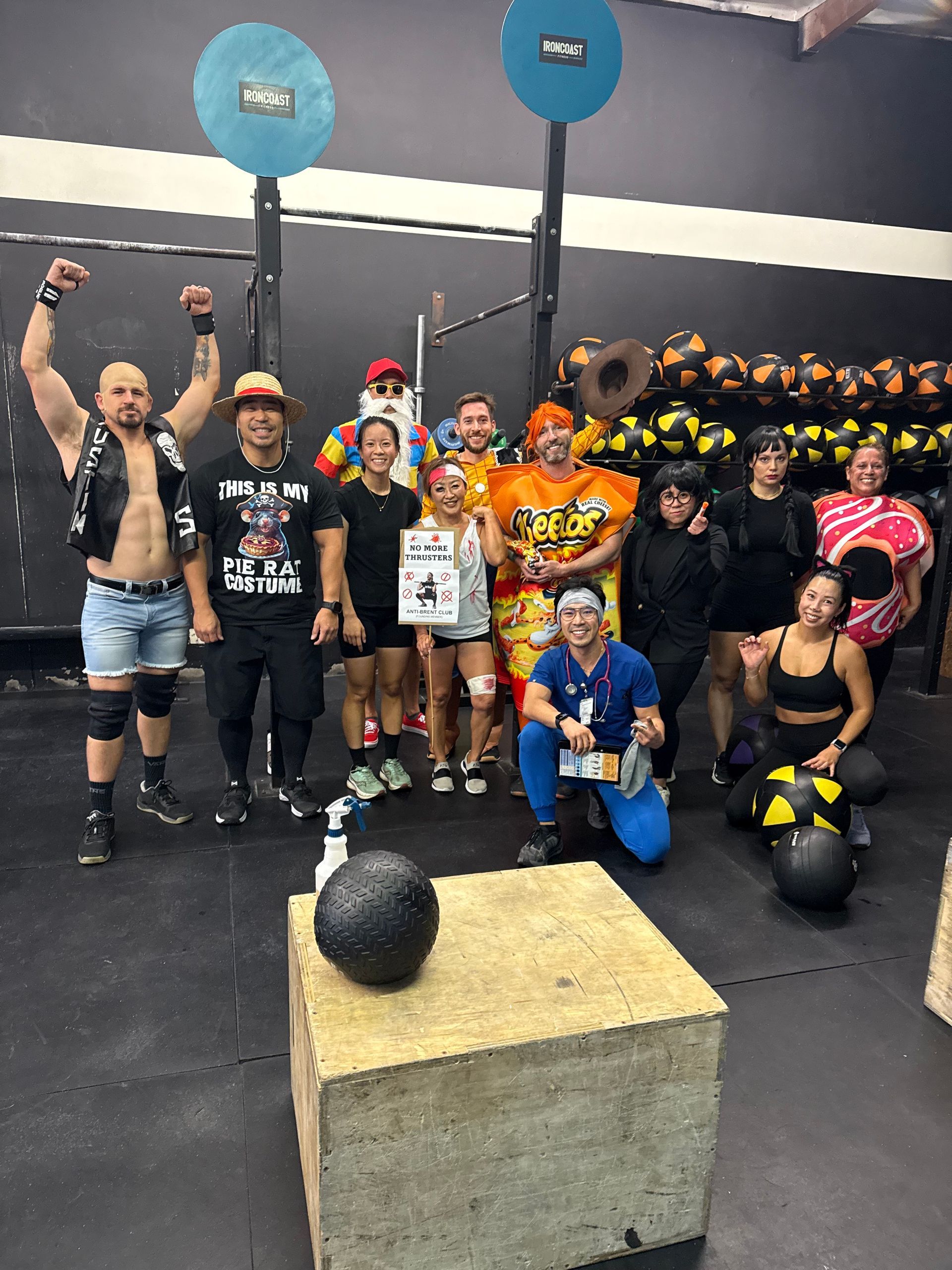
You aren't expected to walk through the door already knowing how to squat, deadlift, use a barbell, or understand what everything written on the workout board means. That's what we're here for. We teach you the movements, help you choose the right version of each workout, and gradually build your strength, fitness, and confidence over time. Some of our members have been exercising with us for years, and others walked through our doors having never touched a barbell before. Both belong here and both are going to get in a great workout.
Fitness That Helps Outside the Gym
Ultimately, functional fitness isn't about what happens during one hour at the gym. It's about what that hour allows you to do during the other 23. It's carrying all the groceries inside in one trip, hiking on vacation without worrying about keeping up, picking something heavy off the floor without thinking twice, playing with your kids, and having the energy to do more after work. The best benefit is continuing to do the things you love as you get older. You don't have to train like a professional athlete, you just need to train for your life.
That's functional fitness.
Want to Try Functional Fitness?
If you've been thinking about getting back into a fitness routine but aren't sure where to start, come try a class at Iron Coast Fitness in Costa Mesa.
You don't need experience, and you don't need to get in shape first.
We'll meet you where you are, teach you what you need to know, and help you take it from there.
Your first step doesn't have to be complicated. It just has to be a start.