Is Strength Training Safe?
Why Strength Training Is Safe—and One of the Best Things You Can Do for Your Body
For years, strength training has carried a reputation that doesn’t quite match reality. Some people associate it with injury, bulky physiques, or extreme gym culture. But the truth is much simpler: when done correctly, strength training is not only safe—it’s one of the most effective ways to improve your overall health, longevity, and quality of life.
Let’s break down why.
Strength Training Is Safer Than You Think
A common misconception is that lifting weights is inherently dangerous. In reality, strength training has a relatively low injury rate compared to many popular activities—especially high-impact sports like running, basketball, or soccer.
What makes it safe?
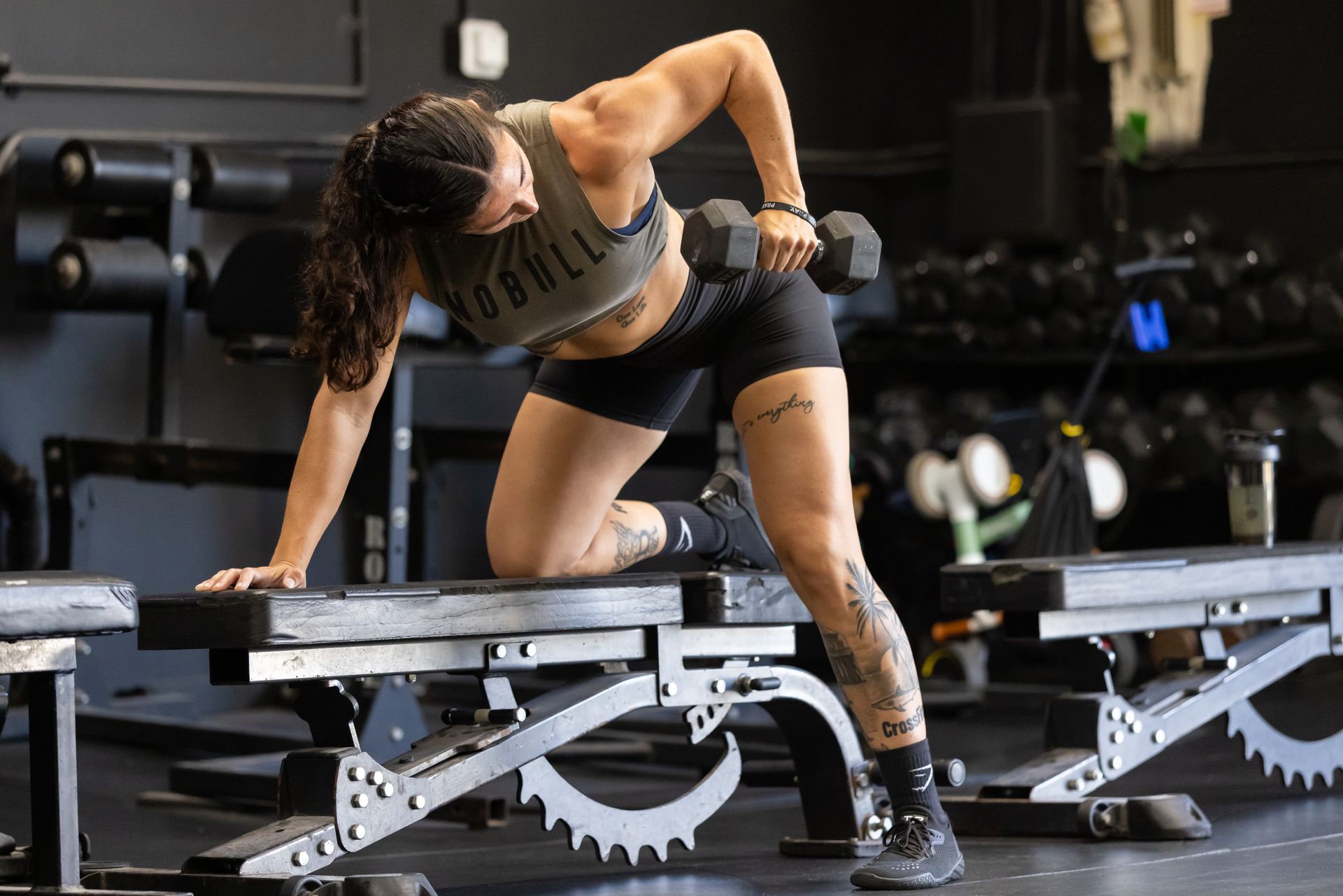
- Controlled movements: Unlike chaotic sports environments, strength training involves deliberate, repeatable motions.
- Progressive overload: You start with manageable weights and gradually increase them over time.
- Adaptability: Exercises can be modified for any age, experience level, or physical limitation.
In fact, many rehabilitation programs use resistance training to help people recover from injuries, rebuild muscle, and restore mobility.
The key is proper form, appropriate weight selection, and consistency—not pushing yourself recklessly.
The Physical Benefits Go Far Beyond Muscle
While building muscle is a major benefit, it’s only part of the story. Strength training positively impacts nearly every system in your body.
1. Increased Strength and Functionality
Everyday tasks—carrying groceries, climbing stairs, picking things up—become easier. You’re not just training for the gym; you’re training for life.
2. Better Bone Health
Resistance training increases bone density, reducing the risk of osteoporosis and fractures as you age.
3. Improved Metabolism
Muscle tissue burns more calories than fat, even at rest. More muscle means a more efficient metabolism and better weight management.
4. Joint Stability and Injury Prevention
Stronger muscles support your joints, reducing strain and helping prevent injuries in both daily life and athletic activities.
Mental and Emotional Benefits
Strength training isn’t just physical—it’s deeply mental.
- Reduced stress and anxiety: Exercise releases endorphins that improve mood.
- Improved confidence: Seeing progress—lifting heavier weights or mastering movements—builds self-belief.
- Enhanced focus and discipline: Structured workouts create a sense of routine and achievement.
There’s something uniquely empowering about realizing you’re stronger than you were last week.
It’s for Everyone—Not Just Athletes
One of the biggest myths is that strength training is only for young people or serious athletes. In reality, it’s beneficial at every stage of life.
- Beginners: Start with bodyweight exercises or light resistance.
- Older adults: Maintain independence, balance, and mobility.
- Busy professionals: Short, efficient workouts can deliver significant results.
You don’t need a fancy gym or hours of free time. Even two to three sessions per week can make a noticeable difference.
How to Get Started Safely
If you’re new to strength training, keep it simple:
- Focus on basic movements (squats, pushes, pulls, hinges)
- Learn proper form before increasing weight
- Start light and progress gradually
- Allow time for recovery between sessions
Working with a trainer or following a structured program can help you build confidence early on and accelerate your progress.
The Bottom Line
Strength training isn’t dangerous—it’s empowering. When approached with proper technique and progression, it’s one of the safest and most effective ways to improve your health.
From stronger bones and muscles to better mental well-being, the benefits extend far beyond the gym. It’s not about lifting the heaviest weights—it’s about building a stronger, more resilient version of yourself.
And that’s something worth investing in.