Busting the Myths: Common Misconceptions About CrossFit Gyms and Workouts
Busting the Myths: Common Misconceptions About CrossFit Gyms and Workouts
CrossFit has grown from a niche fitness program into a global movement yet, it still carries its fair share of myths and misconceptions. Whether you’ve watched a few intense highlight reels on social media or overheard a conversation about “crazy CrossFitters,” chances are you’ve encountered at least one of these myths. Let’s set the record straight.
1. “CrossFit is only for elite athletes.”
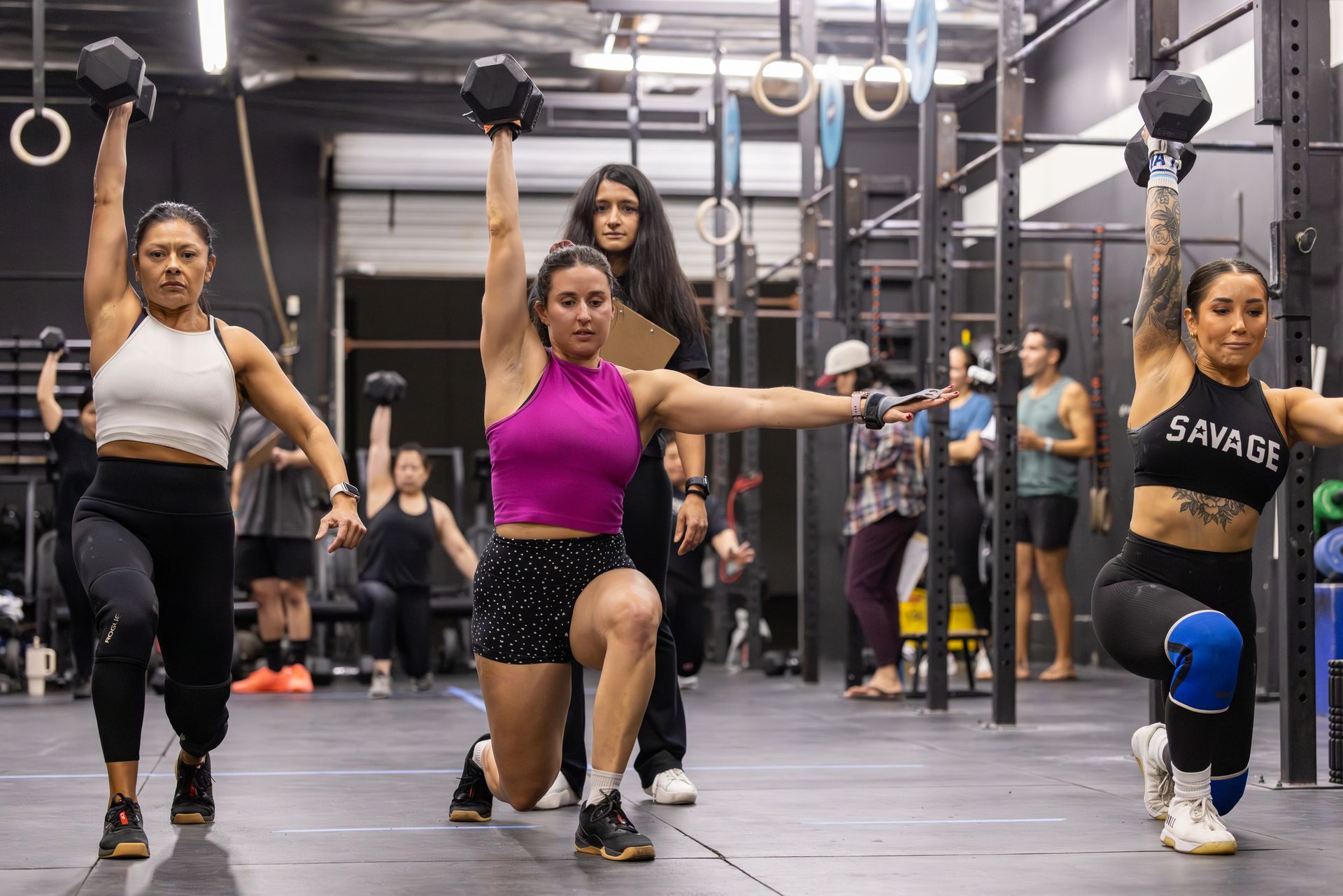
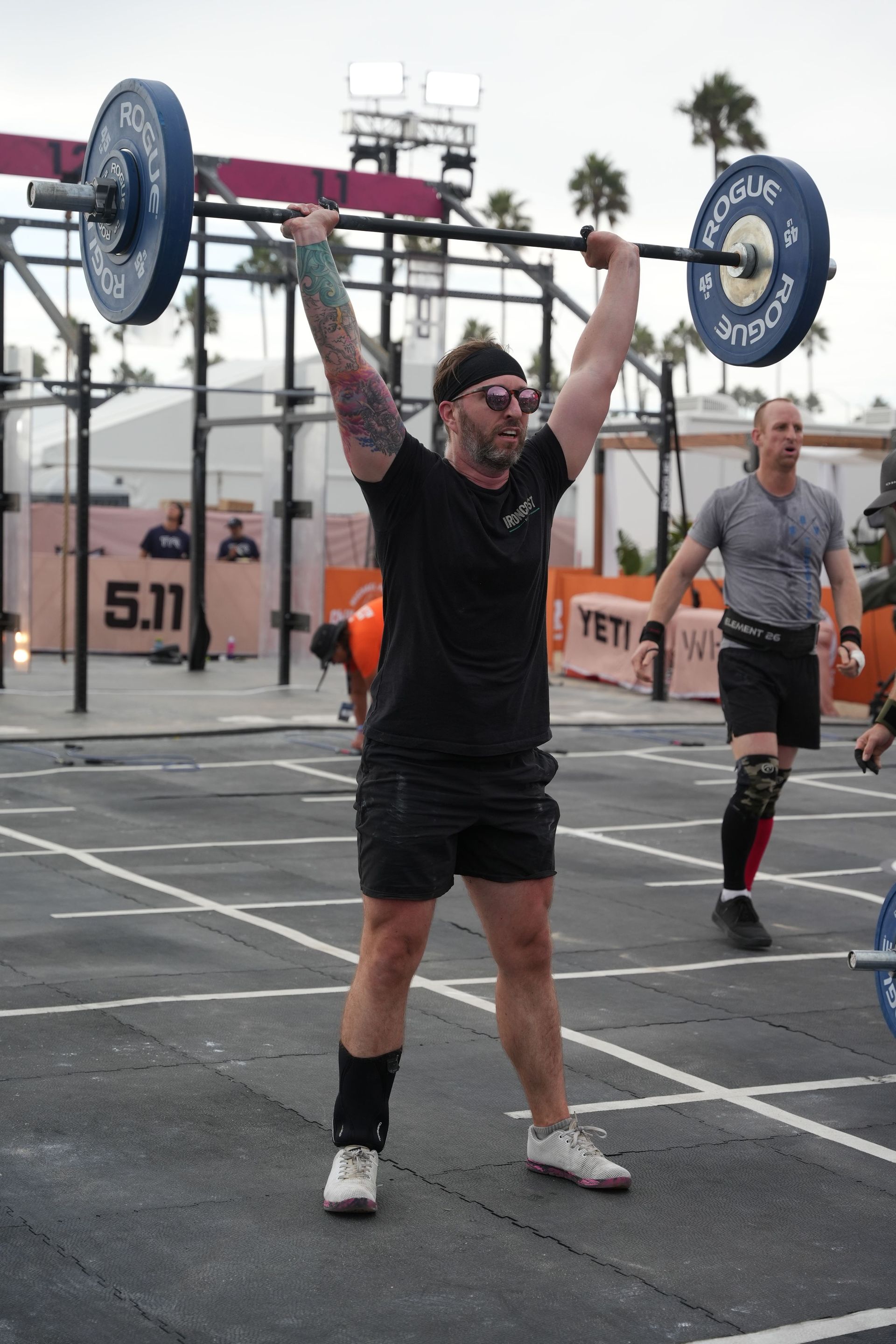
This is one of the biggest misconceptions about CrossFit. While the sport has a competitive side with world-class athletes at the CrossFit Games, the everyday CrossFit class is designed for everyone. Workouts are scalable, meaning every movement, weight, and intensity can be adjusted to suit your fitness level, age, or injury history. Many people start CrossFit having never lifted a barbell before.
2. “CrossFit is dangerous.”
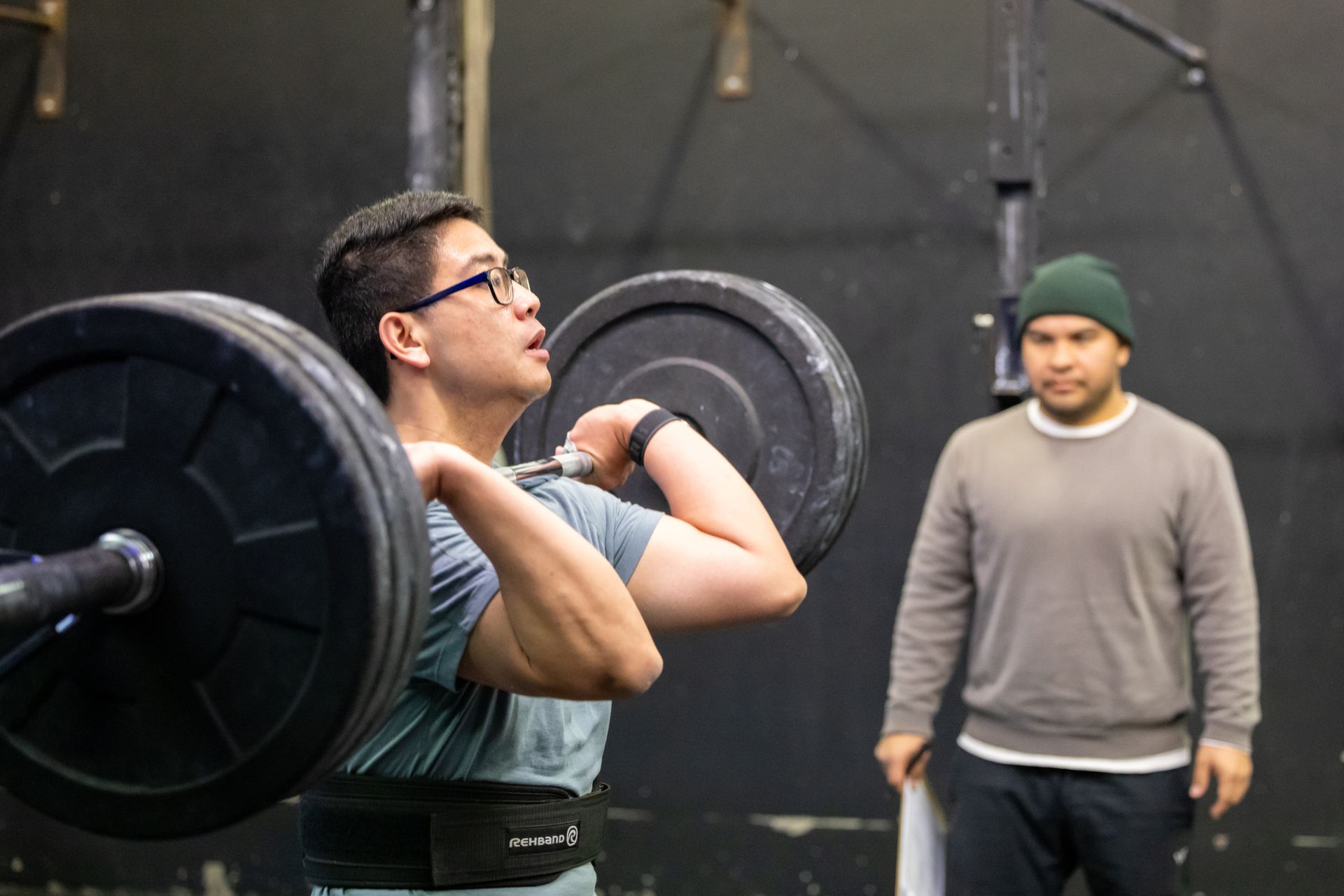
Any physical activity carries some risk, but when done correctly, CrossFit is no more dangerous than running, weightlifting, or team sports. Good CrossFit gyms prioritize proper technique and progressive training over pushing to exhaustion. Certified coaches watch for form and ensure participants understand movement mechanics before adding load or intensity. Injuries often happen when ego overrides instruction, not because of the program itself.
3. “CrossFit gyms are intimidating.”
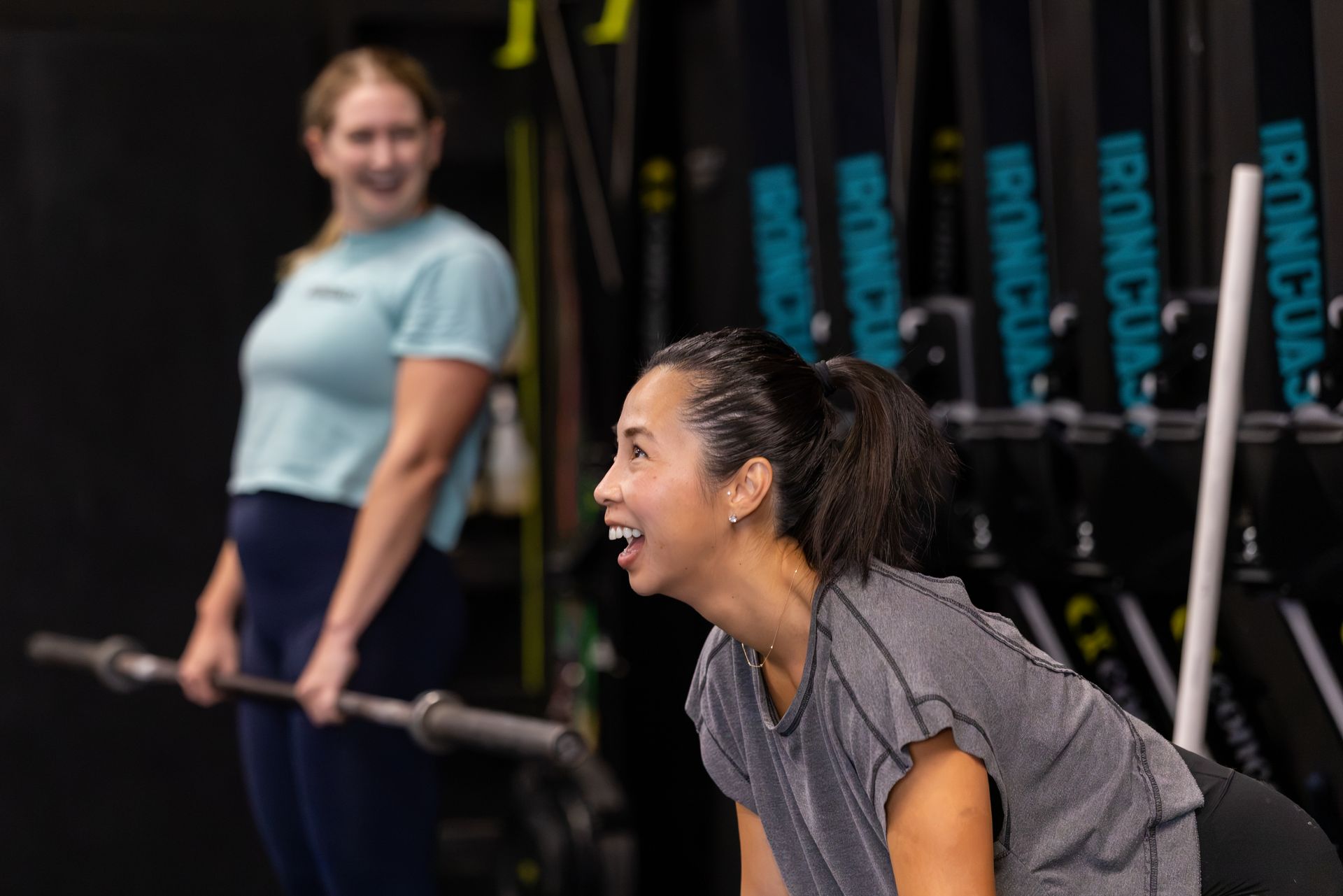
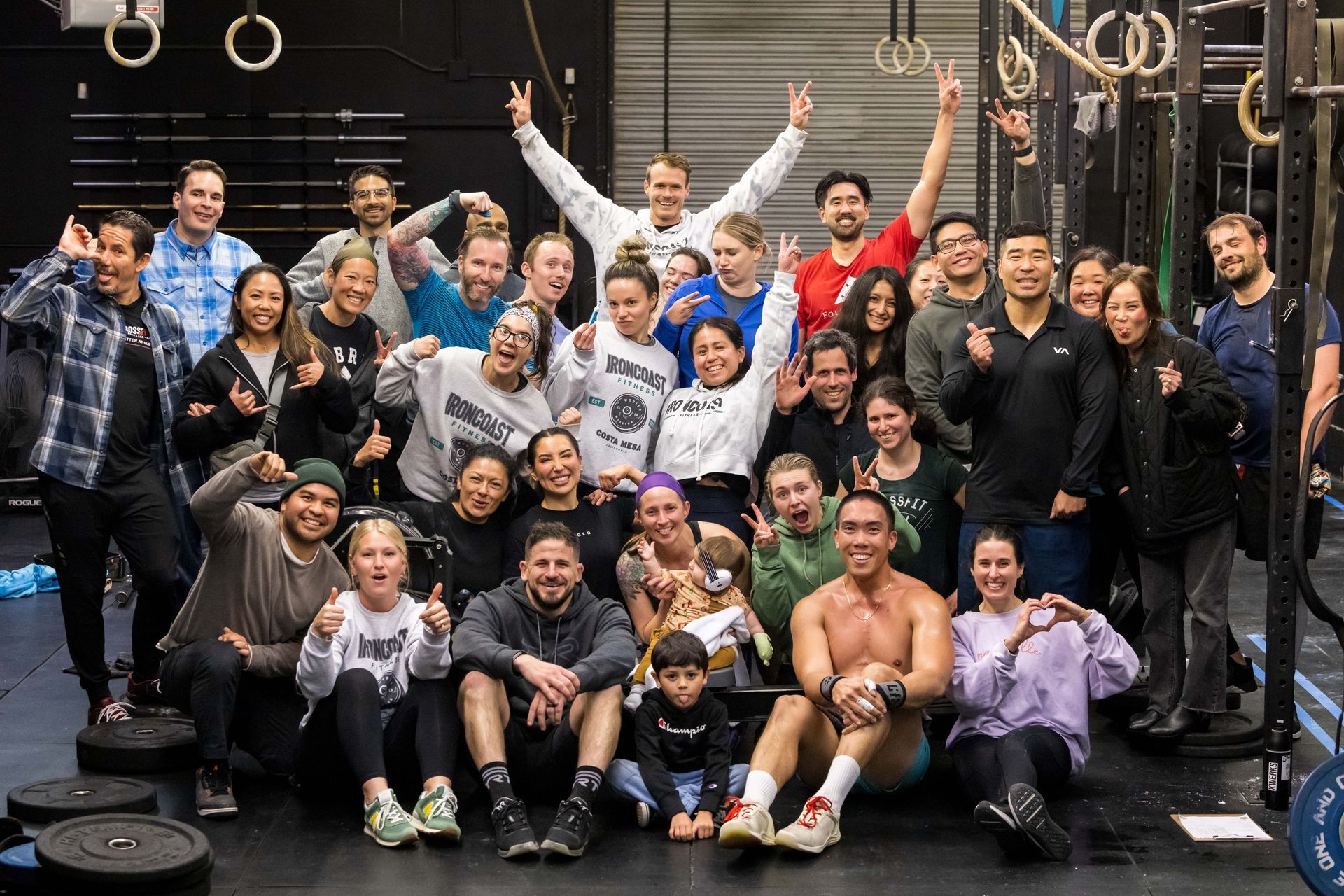
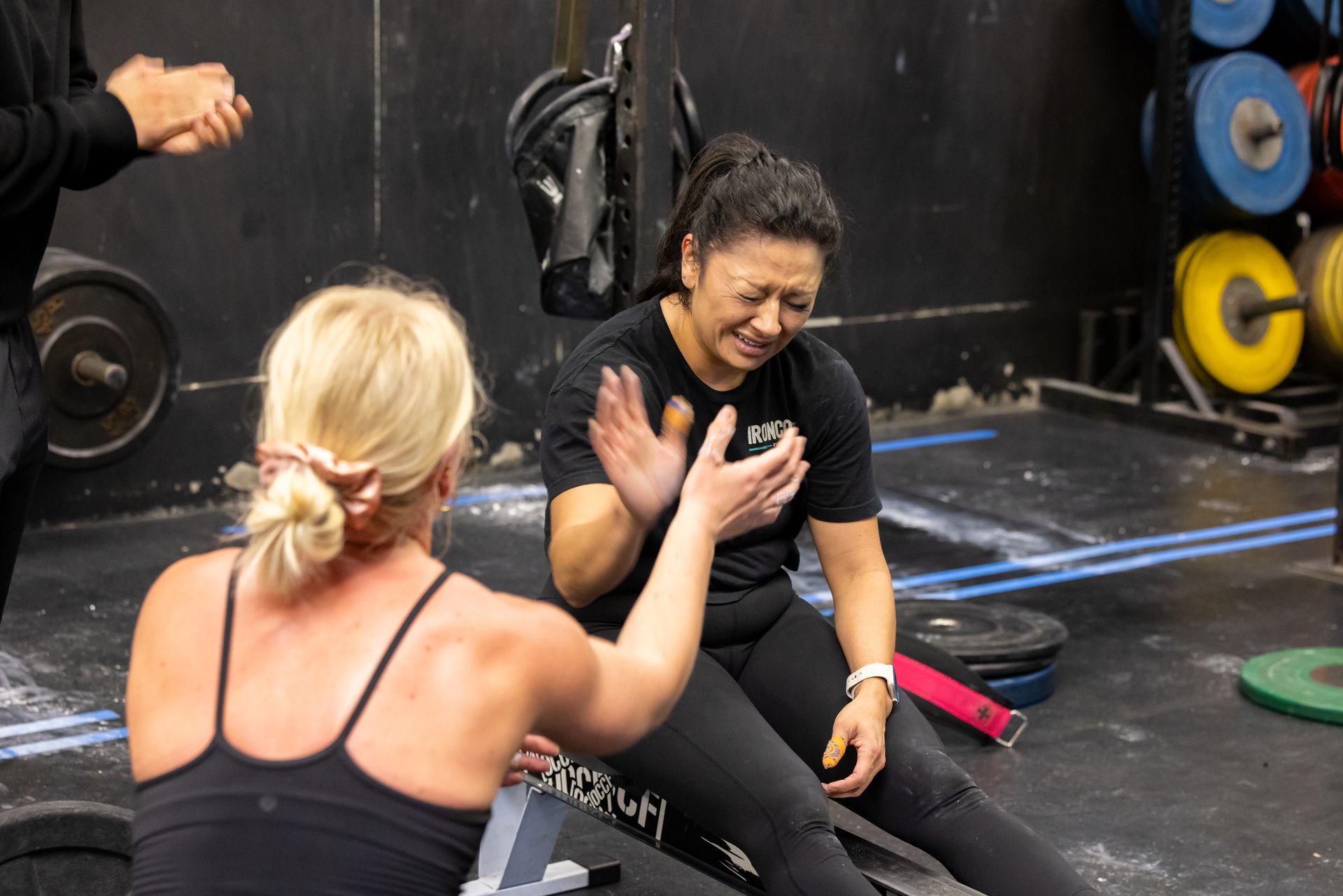
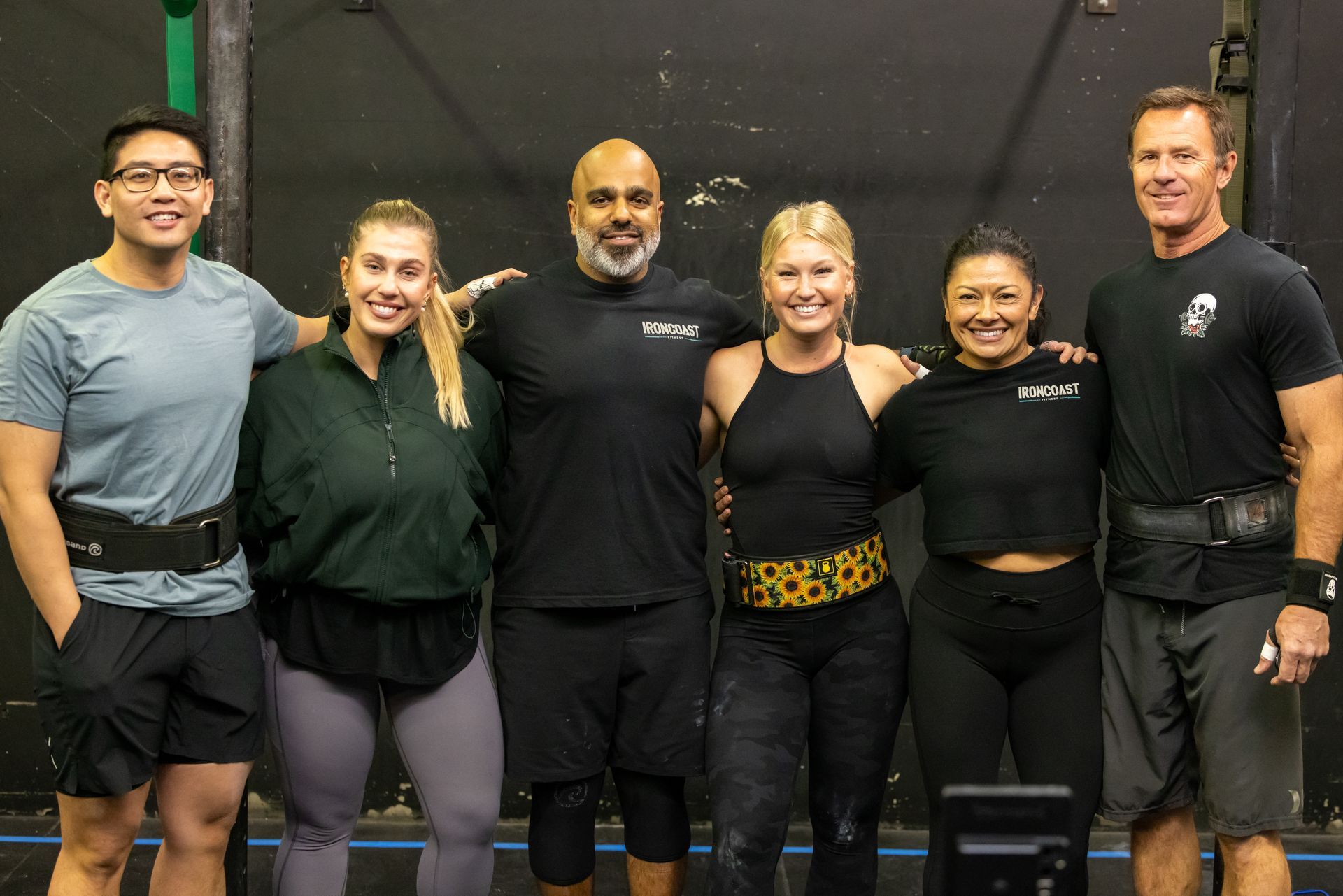
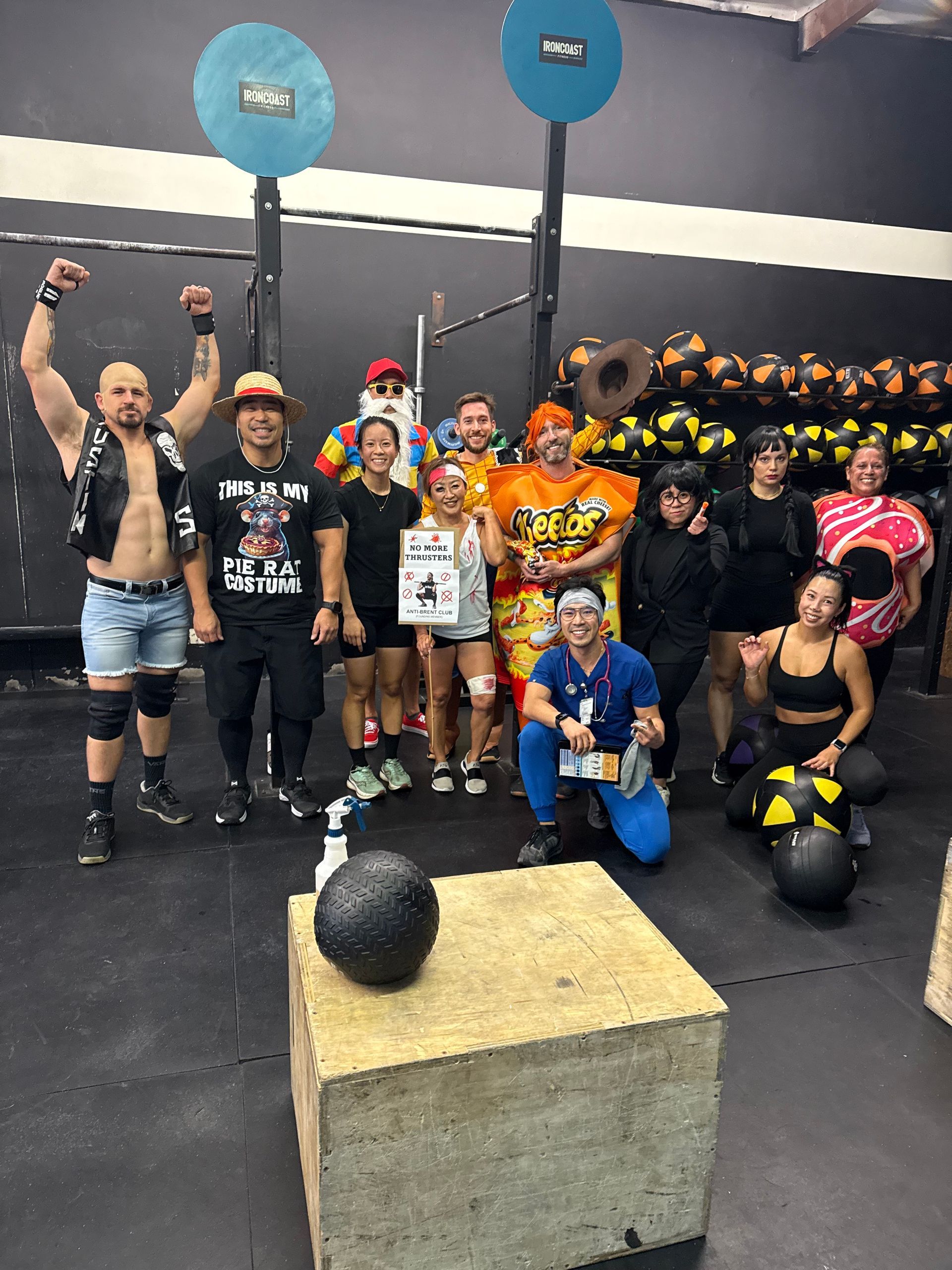
CrossFit’s community is often its most misunderstood feature. Many expect a room full of intimidating athletes, but what they find instead is a welcoming, tight-knit group that celebrates effort over performance. The supportive atmosphere is what keeps people coming back and it’s not unusual for beginners to get the loudest cheers during a workout.
4. “CrossFit only focuses on heavy lifting.”
Lifting weights is just one piece of the CrossFit puzzle. The workouts combine constantly varied functional movements including cardio, gymnastics, and bodyweight exercises. One day you might be rowing or jumping rope; the next, you’re mastering a pull-up or perfecting your squat. The goal is well-rounded fitness: strength, endurance, mobility, and skill.
5. “You’ll get bulky from CrossFit.”
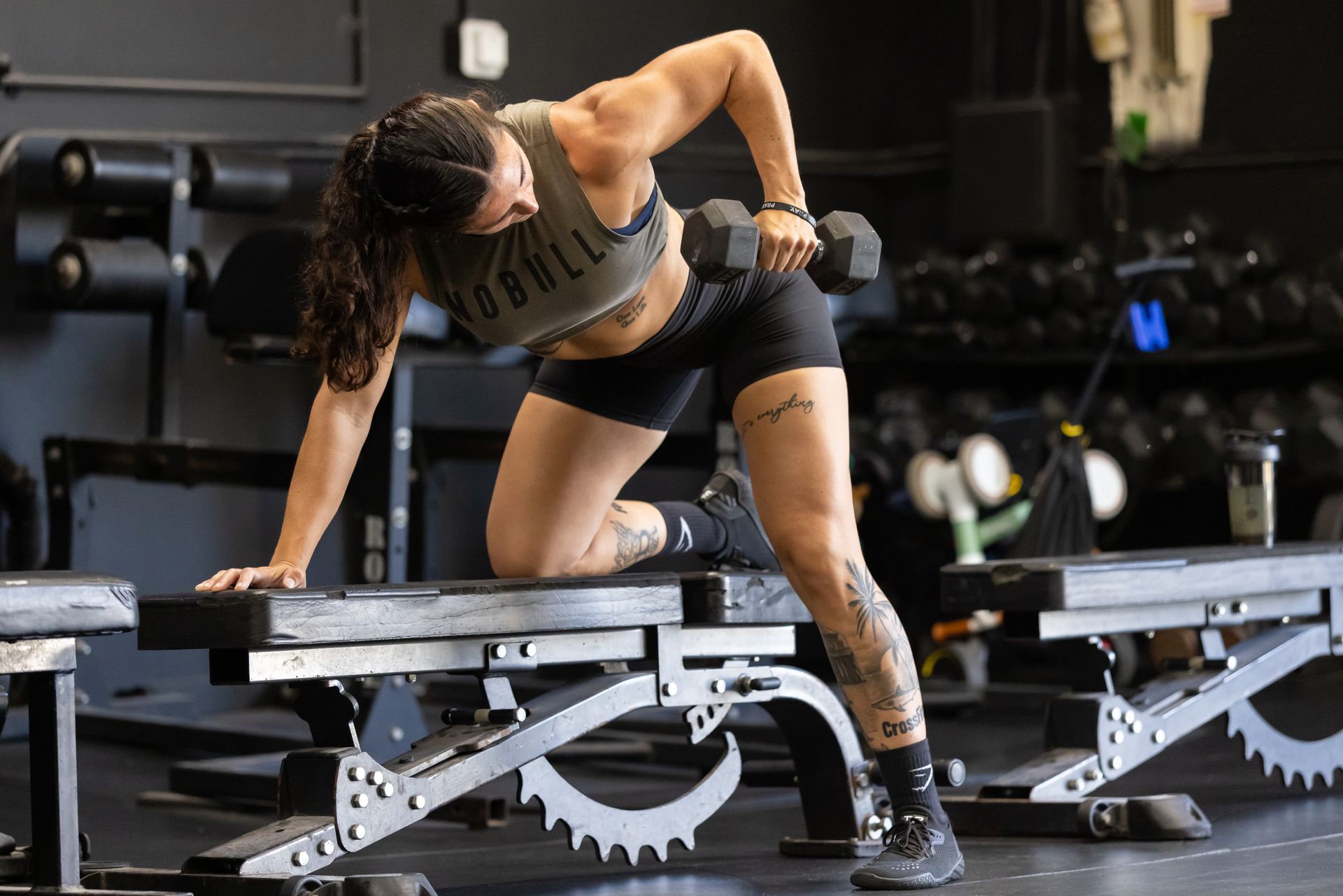
This misconception often discourages women from trying CrossFit. In reality, building significant muscle mass requires a very specific combination of genetics, nutrition, and training volume far beyond the scope of most daily CrossFit workouts. What most people gain is lean muscle, improved posture, and better overall body composition.
6. “Every workout is a competition.”
While CrossFit uses metrics (like time and reps) to track progress, the “competition” is primarily with yourself. The clock or leaderboard simply provides feedback and a way to measure growth. You decide how hard to push each day.
7. “You have to follow a strict diet to do CrossFit.”
Nutrition plays a role in any fitness journey, but there’s no mandatory “CrossFit diet.” Many people follow general healthy-eating guidelines like prioritizing whole foods and adequate protein but the program doesn’t require any particular diet plan. It’s about fueling your workouts, not restricting your lifestyle.
Final Thoughts
CrossFit isn’t about extremes; it’s about improvement. It challenges the body, sharpens the mind, and builds community in a way few other fitness programs can. If you’ve been curious but hesitant because of these misconceptions, walk into your local CrossFit gym. You might just find your new favorite way to train.
Are you interested in giving CrossFit a try? Book a free class today.